
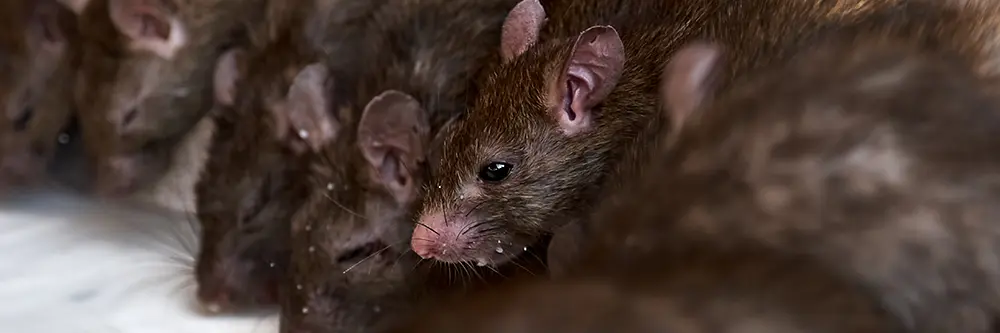
Keeping mice and rats outside requires sealing entry points smaller than a quarter, eliminating food and water sources, trimming vegetation away from your home’s foundation, and maintaining a professional rodent control program. iPest Solutions recommends combining DIY prevention with routine inspections to stop rodents before they find a way in.
Rodents don’t need much of an invitation. A gap the width of a pencil is enough for a mouse to squeeze through, and a rat can flatten its body to fit through an opening roughly the size of a quarter. Once inside, these pests chew through wiring, contaminate food, and multiply fast—a single female mouse can produce up to 60 offspring per year.
The good news is that most rodent problems are preventable. With a few targeted changes around your property, you can make your home far less appealing to mice and rats long before they ever try to get in. Below, we’ll cover the most effective strategies for rodent-proofing your home, along with signs to watch for and when it’s time to call in professional help.
Why Do Mice and Rats Want to Come Inside?
Rodents seek out three things: food, water, and shelter. Your home offers all three, especially as temperatures drop in fall and winter and outdoor food sources become scarce. Garages, attics, wall voids, and crawl spaces provide warm, hidden nesting spots that are difficult for homeowners to monitor.
Mice and rats are also drawn to clutter. Stacked boxes, firewood piles, and overgrown landscaping create hiding spots that make your property attractive for nesting, even if rodents haven’t entered your home yet.
How Can I Seal My Home Against Mice and Rats?
Exclusion—physically blocking entry points—is the single most effective way to keep rodents outside. Here’s where to focus your efforts:
Inspect the Foundation and Exterior Walls
Walk the perimeter of your home and look for gaps around pipes, vents, and utility lines. Mice can squeeze through openings as small as a quarter-inch, so even small cracks in the foundation deserve attention.
Seal Gaps Around Doors and Windows
Check weatherstripping and door sweeps for wear. Gaps under exterior doors are one of the most common rodent entry points, particularly for garage and basement doors.
Cover Vents and Chimneys
Install steel mesh screens over foundation vents, dryer vents, and chimney openings. Rodents can chew through plastic and wood, so wire mesh is a more durable barrier.
Check the Roofline
Rats are skilled climbers and often enter through roof vents, soffits, or gaps where utility lines meet the house. Inspect these areas annually, especially if trees or power lines provide easy access to your roof.
|
Entry Point |
Common Issue |
Fix |
|---|---|---|
|
Foundation gaps |
Cracks around pipes and utility lines |
Seal with steel wool and caulk |
|
Doors |
Worn weatherstripping or gaps under doors |
Install door sweeps |
|
Vents |
Unscreened foundation, dryer, or roof vents |
Cover with steel mesh |
|
Rooflines |
Gaps at soffits or utility line entry points |
Inspect and seal annually |
|
Garage doors |
Gaps at the base or sides |
Replace worn seals |
What Should I Do With Food and Water Sources Outside?
Removing access to food and water makes your property far less attractive to rodents in the first place.
- Store firewood away from the house. Stack it at least 20 feet from your foundation and off the ground.
- Secure trash and compost bins. Use containers with tight-fitting lids, and avoid leaving pet food outside overnight.
- Clean up fallen fruit and birdseed. Both are reliable food sources for rodents and should be cleared regularly.
- Fix leaky outdoor faucets and irrigation lines. Standing water attracts rodents just as much as food does.
Does Landscaping Really Affect Rodent Activity?
Yes. Overgrown shrubs, ivy, and tree branches touching your roofline give rodents both cover and a direct path indoors. Trim vegetation back at least 12 to 18 inches from your home’s exterior walls, and keep tree branches cut back from the roof.
Mulch beds pushed up against the foundation can also create inviting nesting material. Where possible, maintain a gravel or hardscaped buffer zone around the base of your home instead.
What Are the Warning Signs of a Rodent Problem?
Catching an infestation early makes it easier—and cheaper—to resolve. Watch for:
- Droppings near food storage areas, cabinets, or along baseboards
- Gnaw marks on wood, wiring, or food packaging
- Scratching sounds in walls or ceilings, particularly at night
- Grease marks along walls where rodents repeatedly travel the same path
- A musty, ammonia-like odor in enclosed spaces
If you notice any of these signs, it’s best to act quickly. Rodent populations grow rapidly, and what starts as one or two mice can become a larger infestation within weeks.
Is DIY Rodent Prevention Enough, or Do I Need a Professional?
DIY exclusion and sanitation go a long way toward preventing rodent problems, and homeowners should absolutely take these steps regardless of whether they use a pest control service. That said, professional rodent control is the better choice if you’re dealing with recurring activity, difficulty locating entry points, or a property near wooded or water-adjacent areas where rodent pressure tends to be higher.
iPest Solutions technicians conduct a full inspection to identify how rodents are getting in, seal entry points, and place bait stations where needed to monitor ongoing activity. According to one iPest Solutions customer in Waco, their technician kept “rodent stations baited and sprays whenever it’s needed,” resulting in a home with no mice or bugs since starting service.
Choose professional rodent control if sealing entry points yourself hasn’t resolved the problem, or if you want ongoing monitoring rather than a one-time fix.
Keep Rodents Outside for Good
Mice and rats are persistent, but they’re also predictable. They look for the easiest entry point, the most reliable food source, and the safest place to nest. By sealing gaps, removing food and water access, and managing vegetation around your home, you remove most of what makes your property appealing in the first place.
For homes in Central and South Texas, iPest Solutions offers rodent control plans that combine exclusion work with ongoing monitoring, so new entry points get caught before they become a bigger problem. If you’re noticing signs of rodent activity or simply want peace of mind heading into the colder months, schedule a free inspection with iPest Solutions today.
Frequently Asked Questions
How much does rodent control cost?
Rodent control pricing depends on your property size, the extent of the infestation, and whether exclusion work is needed. iPest Solutions offers plans like iPlan starting at $59 monthly with a $199 setup fee, which covers rodents alongside more than 20 other pests. Contact iPest Solutions directly for a quote specific to your home.
How long does it take to get rid of mice or rats once they’re inside?
Timelines vary based on the severity of the infestation, but most homeowners see a significant reduction in activity within the first few weeks of professional treatment, with full resolution typically following within one to two months as bait stations and exclusion work take effect.
What are the risks of ignoring a rodent problem?
Untreated rodent infestations can lead to chewed electrical wiring (a fire hazard), contaminated food and surfaces, structural damage to insulation and drywall, and the spread of diseases like hantavirus and salmonella. Rodent populations also grow quickly, so delays tend to make the problem larger and more expensive to fix.
Are there alternatives to chemical rodent control?
Yes. iPest Solutions’ iCare Plan uses green, chemical-free products alongside mechanical exclusion work, such as sealing plumbing penetrations and weep holes. This approach is a good option for homeowners who want rodent prevention without traditional chemical treatments.
Who should consider professional rodent control versus DIY methods?
Homeowners with a single, isolated sighting may be able to resolve the issue with DIY sealing and sanitation. Choose professional rodent control if you’re seeing recurring activity, live near wooded or water-adjacent areas, or have been unable to locate the entry points yourself.