
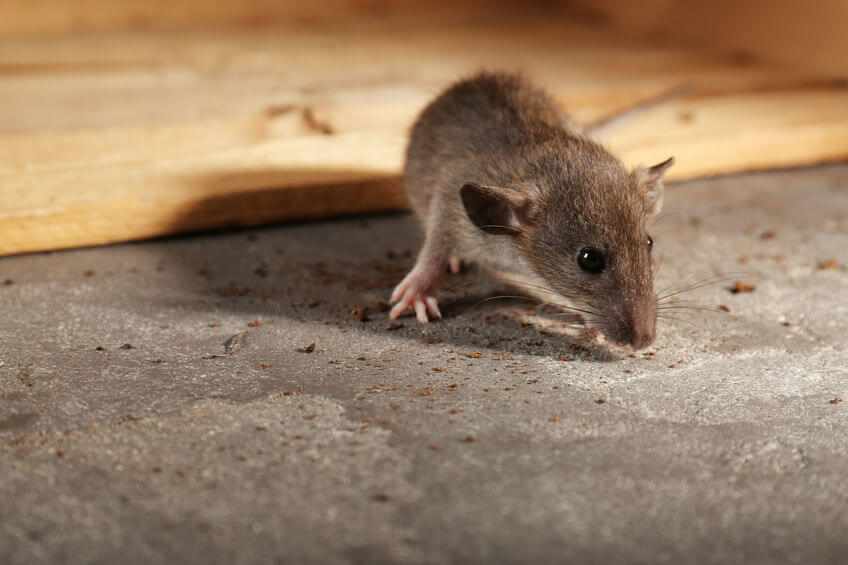
Rodents are a persistent problem in College Station, TX, driven by the area’s warm climate, dense vegetation, and active student population. Effective rodent control combines professional inspection, targeted exclusion, and ongoing monitoring. iPest Solutions offers licensed rodent control services tailored to College Station homes and businesses, reachable at 979-431-3992.
Rodents don’t announce themselves. They slip through gaps the width of a dime, settle into wall cavities, and start reproducing long before most homeowners notice a thing. By the time you spot droppings behind the fridge or hear scratching in the attic, the problem is rarely minor.
College Station presents a particularly favorable environment for rodents. The Brazos Valley’s warm winters, wooded lots, and steady influx of residents—students, families, and professionals—create exactly the conditions that mice and rats exploit. Add in the number of older buildings around campus and the frequent turnover of rental properties, and you have a city where rodent activity is both common and chronically underreported.
This guide covers the rodent species most active in College Station, the warning signs homeowners often miss, and how iPest Solutions approaches elimination and long-term prevention. If you’re dealing with a current infestation or want to get ahead of one, read on.
What Rodent Species Are Common in College Station, TX?
Three species account for the majority of rodent complaints in the College Station and Bryan area:
|
Species |
Size |
Preferred Entry Points |
Common Nesting Spots |
|---|---|---|---|
|
House Mouse (Mus musculus) |
2–4 inches (body) |
Gaps as small as ¼ inch |
Wall voids, insulation, kitchen cabinets |
|
Norway Rat (Rattus norvegicus) |
7–9 inches (body) |
Foundation cracks, drains |
Burrows, basements, crawl spaces |
|
Roof Rat (Rattus rattus) |
6–8 inches (body) |
Rooflines, utility lines, vents |
Attics, ceilings, tree canopies |
Each species behaves differently, which is why accurate identification matters before any treatment begins. Norway rats dig burrows and stay low; roof rats are agile climbers and often move through trees and along utility lines into upper floors. A trap strategy designed for one species can be largely ineffective against the other.
Why Does College Station Have a Rodent Problem?
College Station’s geography and growth patterns create consistent pressure from rodents. A few factors stand out:
Dense vegetation and wooded corridors. Much of the Brazos Valley landscape includes tree lines, creek beds, and green spaces that serve as natural rodent highways connecting outdoor habitats to residential structures.
Warm winters with limited die-off. Unlike northern states where hard freezes reduce rodent populations each year, Central Texas winters are mild enough that populations persist and breed year-round.
High-density housing and student rentals. Multi-unit housing, frequent move-ins, and buildings with aging infrastructure give rodents more opportunities to establish entry points that go unnoticed.
Construction activity. Ongoing development across College Station and Bryan displaces rodent colonies regularly, pushing them toward established neighborhoods and commercial properties.
What Are the Warning Signs of a Rodent Infestation?
Catching a rodent problem early limits the damage significantly. Here’s what to look for:
- Droppings. Mouse droppings are small and rod-shaped (about 3–6mm); rat droppings are larger (up to 20mm). Finding them along baseboards, in cabinets, or near food storage is a clear indicator.
- Gnaw marks. Rodents gnaw constantly to keep their teeth trimmed. Fresh gnaw marks appear light-colored; older ones darken over time. Look at wood trim, food packaging, and electrical wiring.
- Scratching or scurrying sounds. Roof rats are most active at night and often make noise in attics or ceilings. Norway rats may be heard in wall voids or under floors.
- Grease marks (rub lines). Rodents travel the same paths repeatedly. Their oily fur leaves dark smears along walls, baseboards, and entry points.
- Nesting material. Shredded insulation, fabric, or paper tucked into corners or behind appliances suggests an active nest nearby.
- Unusual pet behavior. Dogs and cats often detect rodent scent before humans do. If your pet is fixated on a specific wall or cabinet for no apparent reason, take it seriously.
How Do Rodents Get Into College Station Homes?
Most homeowners are surprised by how little space a rodent actually needs. A house mouse can squeeze through a gap the size of a pencil eraser. A young rat needs less than an inch.
Common entry points include:
- Gaps around plumbing and utility penetrations
- Deteriorating weatherstripping on garage doors
- Cracks in the foundation or exterior walls
- Unscreened roof vents and soffit gaps
- Spaces where rooflines meet different materials
- Open or poorly sealed crawl space access points
Sealing these points—a process called exclusion—is a critical step in any rodent control program. Without it, eliminating the current population inside your home only opens the door for the next wave.
What Does Professional Rodent Control in College Station Actually Involve?
DIY rodent control has a poor track record for infestations that are already established. Snap traps placed without inspection can miss primary harborage areas entirely, and over-the-counter rodenticides carry serious risks if misapplied—particularly in homes with children or pets.
Professional rodent control works differently. Here’s what a structured program looks like when handled correctly:
Step 1: Comprehensive Inspection
A licensed technician walks the property—interior and exterior—to identify active entry points, nesting zones, runways, and the likely species involved. This inspection shapes everything that follows.
Step 2: Exclusion and Mechanical Alterations
Confirmed entry points are sealed using rodent-resistant materials. This may include sealing plumbing penetrations, installing door sweeps, or capping vents. Exclusion without elimination is incomplete, and elimination without exclusion invites reinfestation.
Step 3: Targeted Treatment
Depending on the species and severity, treatment may include tamper-resistant bait stations, strategic trap placement, or rodenticide applications in appropriate locations. In homes with children and pets, treatment protocols prioritize safety throughout.
Step 4: Ongoing Monitoring
A one-time treatment rarely resolves a rodent problem permanently, especially in a region like College Station where environmental pressure is continuous. Scheduled follow-up visits allow technicians to replenish bait stations, assess trap activity, and adjust the strategy based on what they observe.
How iPest Solutions Handles Rodent Control in College Station
iPest Solutions has served College Station and the surrounding Brazos Valley communities with licensed pest control since establishing their local presence in the area. Their College Station office is reachable at 979-431-3992 and covers both residential and commercial properties.
The iPest approach to rodent control reflects what the task requires at each stage: inspection first, treatment second, and monitoring built into the service schedule rather than added as an afterthought.
For homeowners who prefer environmentally conscious options, iPest Solutions offers the iCare Plan—an eco-friendly program that uses green products and includes mechanical alterations such as sealing plumbing penetrations. Monthly exterior service visits help maintain a protective perimeter without relying on conventional chemical applications.
For properties that need broader protection, the iComplete Plan bundles pest control, termite protection, and mosquito control into a single package with VIP scheduling benefits—including same-day service for calls placed before 2 PM.
Customers across College Station have noted the consistency and thoroughness of iPest’s service. Iorie, a College Station client, described her technician Billy as “always professional and very thorough,” adding that she’s had “no more issues with pests.” Denise, a client from the Waco area with similar rural exposure, credited technician Tye’s diligence with keeping her home completely mouse-free.
Can You Prevent Rodents from Coming Back After Treatment?
Prevention is an ongoing commitment, not a one-time fix. After professional treatment, the following practices significantly reduce the risk of reinfestation:
- Store food properly. Use airtight containers for dry goods, including pet food. Do not leave food in cardboard packaging on pantry floors.
- Eliminate clutter. Stacked boxes, piles of firewood near the house, and dense ground cover all create shelter that rodents use.
- Address moisture issues. Rodents seek water as actively as they seek food. Fix leaking pipes, clear standing water, and improve drainage around the foundation.
- Maintain the exterior. Trim tree branches that overhang the roofline. Remove dense shrubbery in contact with the foundation.
- Schedule regular inspections. Even without visible signs of rodents, annual inspections allow professionals to catch new entry points before they become problems.
Rodent Control vs. DIY: What’s the Honest Comparison?
|
Factor |
DIY Rodent Control |
Professional Rodent Control |
|---|---|---|
|
Upfront cost |
Low |
Moderate to higher |
|
Species identification |
Often guesswork |
Confirmed by trained technician |
|
Exclusion capability |
Limited |
Comprehensive |
|
Risk to children/pets |
Higher with improper bait use |
Managed with tamper-resistant equipment |
|
Long-term effectiveness |
Low for established infestations |
Significantly higher |
|
Follow-up and monitoring |
None |
Built into service plans |
DIY approaches work best as early-stage deterrents—snap traps in a garage when you’ve spotted one mouse. Once an infestation is established across multiple rooms or you’re finding consistent evidence of activity over several weeks, professional intervention is the more cost-effective path.
Protect Your College Station Home Before the Problem Grows
Rodents move fast. A pair of house mice can produce up to 35 offspring in a single year under favorable conditions. Waiting to address the issue rarely makes it easier or cheaper to resolve.
iPest Solutions offers free inspections for College Station residents and a 100% service guarantee—if pests return between scheduled visits, so does the technician, at no additional charge. With kid- and pet-friendly treatment options, licensed professionals, and service plans built around ongoing protection, iPest Solutions is equipped to handle rodent problems at every stage.
Call the College Station office at 979-431-3992 or schedule your free inspection online at ipestpros.com.
Frequently Asked Questions About Rodent Control in College Station
How do I know if I have mice or rats in my College Station home?
The clearest indicators are droppings, gnaw marks, and sounds in walls or ceilings. Rat droppings are significantly larger than mouse droppings (up to 20mm vs. 6mm). Roof rats are usually heard in attics at night; Norway rats tend to stay lower and may be heard under floors. A licensed pest control technician can confirm the species during an inspection.
How long does professional rodent control take to work in College Station?
Results vary depending on the severity of the infestation, but most homeowners notice a significant reduction in activity within one to two weeks of treatment. Complete elimination, combined with exclusion work, typically takes two to four weeks. Ongoing monitoring ensures the problem doesn’t return.
Is rodent control safe for homes with children and pets in College Station?
Yes, when performed by licensed professionals using tamper-resistant bait stations and appropriate protocols. iPest Solutions offers kid- and pet-friendly treatment options across all service plans. The iCare Plan is specifically designed for homeowners who prefer to avoid conventional chemical treatments altogether.
How much does rodent control cost in College Station, TX?
Pricing varies based on property size, severity of infestation, and the service plan selected. iPest Solutions offers multiple plan tiers starting at $59/month (iPlan), with setup fees that vary by location. Financing options are also available through Wisetack for those who prefer to pay over time.
What makes College Station particularly susceptible to rodent problems?
The Brazos Valley’s warm winters, wooded green spaces, and high-density housing around Texas A&M University all create favorable conditions for year-round rodent activity. Ongoing construction across the region also regularly displaces rodent colonies, pushing them toward established residential and commercial properties.
Can iPest Solutions help with rodent problems in commercial properties in College Station?
Yes. iPest Solutions provides commercial pest control services in College Station and the surrounding Bryan area. Commercial rodent programs include inspection, exclusion, and scheduled monitoring visits aligned with the operational needs of the business.