
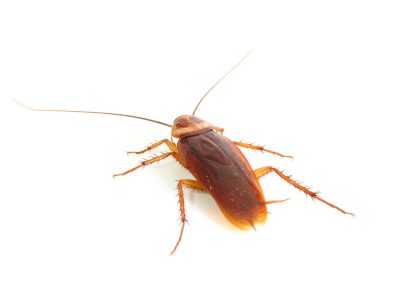
Roaches
Bed bugs have small, flat, oval-shaped, wingless bodies. Adults are brown in color, although their bodies redden after feeding. Full-grown bed bugs move relatively slowly and measure between 4 to 5 mm. Homeowners sometimes have the misconception that bed bugs are too small to see with the naked eye. The nymphs may be small and difficult to see, but the adults are detectable with the naked eye and may be found in the cracks and crevices they use to hide.
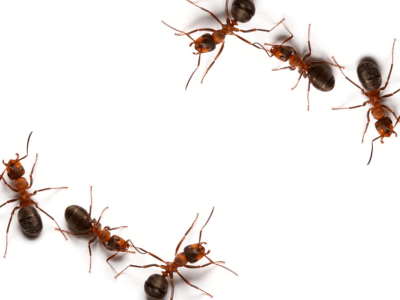
Fire-Ants
The red imported fire ant (Solenopsis invicta), also known as the fire ant or RIFA, is a species of ant native to South America. The red imported fire ant is native to South America but it has been accidentally introduced in Australia, New Zealand, several Asian and Caribbean countries and the United States. The red imported fire ant is polymorphic as workers appear in different shapes and sizes.
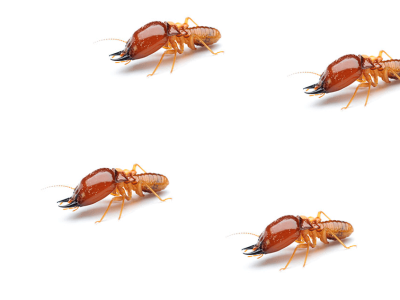
Termites
There are three major types of termites found in the United States: subterranean, drywood, and dampwood. Three of the more common home-invading termite species are Eastern subterranean termites, Pacific dampwood termites, and Southeastern drywood termites.
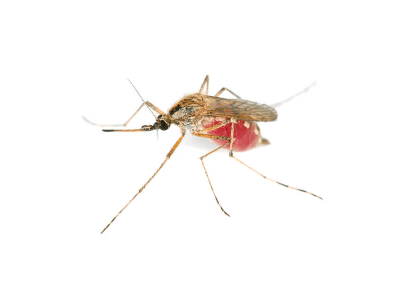
Mosquitos
Mosquitoes are best known for the habits of the adult females which often feed on blood to help generate their eggs. The lesser-known side is that mosquito adults, males and females, also feed on nectar from flowers. Their immature stages usually are located in standing, preferably stagnant, water.
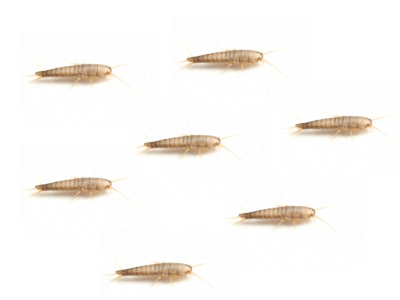
Silverfish
Capable of thriving in most climates, silverfish prefer to dwell in dark, damp areas such as basements, attics, kitchens and bathrooms. They are especially attracted to paper and damp clothing. Commonly found in stored boxes in garages and sheds. Silverfish feed on carbohydrates, particularly sugars and starches. Cellulose, shampoos, glue in books, linen, silk and dead insects may be food sources. Have been found in unopened food packages.
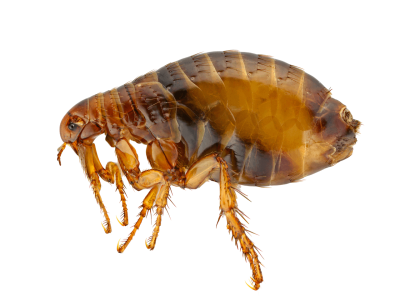
Fleas
Adult fleas are approximately 2.5 mm long and are dark in color, ranging from brown to reddish brown. Fleas are wingless, although they are capable of jumping large distances from host to host as a result of their six long legs. Individual fleas are difficult to kill by hand and typically require chemical treatment. The bodies of fleas are thin and flat, allowing for easy movement through an animal’s fur. Their bodies are also covered in hair that serves to root them to the host. Adults have mouthparts which are used to extract the host’s blood.
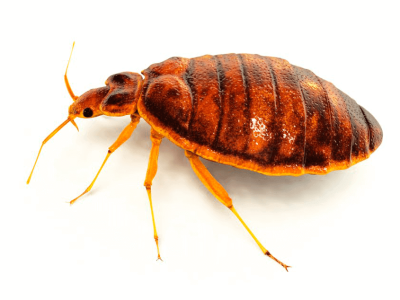
Bedbugs
Bed bugs have small, flat, oval-shaped, wingless bodies. Adults are brown in color, although their bodies redden after feeding. Full-grown bed bugs move relatively slowly and measure between 4 to 5 mm. Homeowners sometimes have the misconception that bed bugs are too small to see with the naked eye. The nymphs may be small and difficult to see, but the adults are detectable with the naked eye and may be found in the cracks and crevices they use to hide.

Rodents
Central Texas is home to many different types of rodents. Rats, Mice, Squirrels, Gophers, & Nutria are all native to this area and if left unchecked can cause homeowners a pretty penny in property repairs.
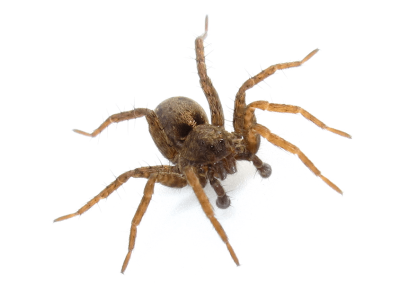
Spiders
Tens of thousands of spider species have been identified throughout the world. These arachnids have eight legs and two body segments. Spiders have three or four pair of eyes. Spiders do not have chewing mouthparts and commonly utilize digestive enzymes in their saliva to break prey down before consuming it. Additionally, the gut of a spider is too narrow to allow for consumption of large food particles. Almost all spider species are predators, although one plant-feeding species has been documented.


Why Professional Rodent Control Beats DIY Every Time
Quick answer: Professional rodent control is safer, more thorough, and more cost-effective than DIY methods because licensed technicians can identify entry points, use targeted treatments, and prevent reinfestation. DIY traps often address symptoms rather than the root cause, leading to recurring infestations and higher long-term costs. A scratching sound in
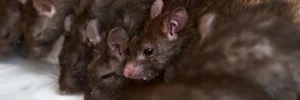
How to Keep Mice and Rats Outside Where They Belong
Keeping mice and rats outside requires sealing entry points smaller than a quarter, eliminating food and water sources, trimming vegetation away from your home’s foundation, and maintaining a professional rodent control program. iPest Solutions recommends combining DIY prevention with routine inspections to stop rodents before they find a way in.
Why Regular Pest and Termite Inspections Protect Your Home’s Value
Quick answer: Regular pest and termite inspections catch infestations before they cause structural damage, saving homeowners thousands in repair costs. iPest Solutions recommends annual termite inspections and seasonal pest checks to identify early warning signs—like mud tubes, hollow-sounding wood, or discarded wings—before small problems become expensive disasters. Most homeowners don’t